
|
Rooftop Views
Insights for the People Who Manage What's AbovePractical guidance on roof maintenance, compliance, repairs, and asset management — written by the licensed roofing specialists at Ideal Asset Maintenance for facility managers, asset managers, and property owners. Topics covered in this blog Regulations & ComplianceSafeWork NSW updates, code of practice changes, WHS obligations Preventative MaintenanceWhy PM matters, what it covers, and what happens without it Retrofit & UpgradesSkylights, penetrations, flashings, rooftop equipment Repairs & Emergency ResponseLeak causes, storm damage, what to do when a roof fails Roof CleaningWarranty compliance, drainage, organic growth, salt deposits Latest ArticlesExpert insights from our licensed roofing specialists Tips for Roof PenetrationsRoof penetrations are the main source of leaks ongoing for clients, and a big reason is the penetration detail itself is not to industry standards while also lacking ongoing maintenance.
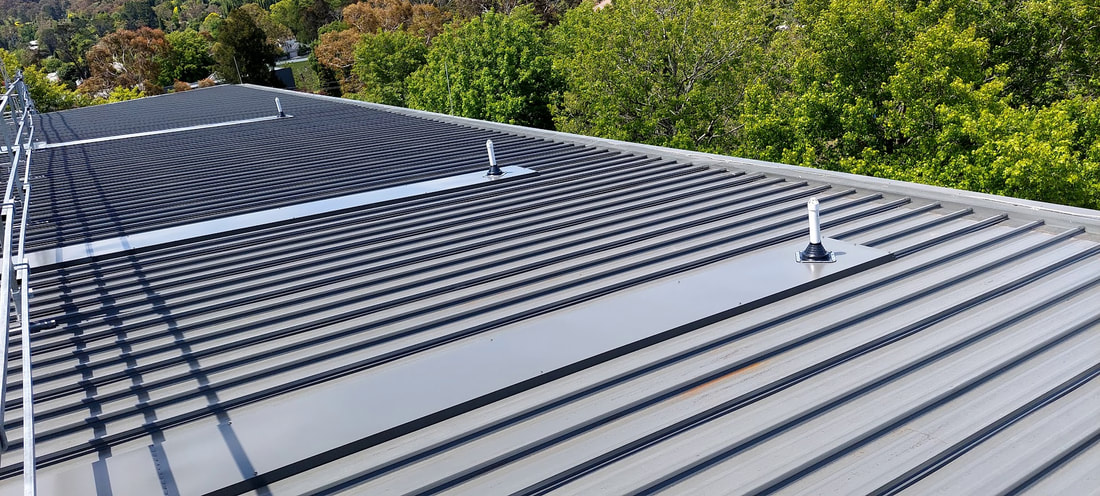
To ensure you minimise risk of water ingress from a penetration, retrofitting back tray flashings are critical to divert the water away from the penetration into neighbouring pans to allow water to drain further to the gutter line. A penetration run through the roof sheet with just a dektite is simply just not enough and often can block the flow of water in the relevant pan. This leads to early corrosion and eventual water ingress when the seal is broken. Water can actually buildup behind the penetration and eventually flood the lap of the sheet if it is not able to drain properly to the gutter. While the manufacturer specifies a tray flashing to the ridge, it is important to add the additional measure of a dry pan on either side of the penetration if it blocks more than 50% of the pan to allow for relief on either side of the penetration if it floods. This means allow for an extra pan to be covered on either side of the penetration to maximum protection. Regular ongoing maintenance as per manufacturer's guidelines is also critical to ensure the seal of the dektite and penetration is watertight since exposure to thermal movement and weather conditions can often disrupt the seal leading to water ingress. Preventative maintenance is recommended to be completed every 6 months. If you are interested in upgrading your penetration details to be more watertight, contact us now.
7 Comments
27/12/2024 04:54:44 pm
Routine checks on circuit breakers, wiring, and electrical panels can extend the lifespan of your electrical system and minimize risks like electrical fires. Always rely on a professional for thorough inspections.
Reply
8/4/2025 03:25:27 am
Fantastic experience with Flowline Plumbing and Gas. From booking the appointment to the completion of the job, everything was smooth and hassle-free. Very impressed with their expertise.
Reply
8/7/2025 03:37:54 pm
Great blog! Roof penetrations are common weak points, so proper sealing and flashing are essential to prevent leaks. These tips offer valuable guidance on how to protect your roof around vents, chimneys, and skylights to ensure long-term durability.
Reply
27/2/2026 03:32:55 am
Great explanation of why back-tray flashings matter — small details like that really do protect against water infiltration over time. Paying attention to all aspects of exterior systems, including quality gutter maintenance can help keep your whole structure in much better shape.
Reply
27/2/2026 03:34:20 am
Really useful info here — keeping windows clean definitely brightens up a home and helps maintain the exterior.
Reply
14/4/2026 06:59:55 pm
Great breakdown of how back tray flashings play a critical role in preventing water ingress at roof penetrations, especially when drainage paths are restricted or poorly detailed. At KVN Portland Roofing in Portland, OR, we see similar issues frequently during inspections, where inadequate penetration flashing or a lack of maintenance leads to hidden leaks and premature roof deterioration. Proper detailing, including correct pan relief and well-designed flashing systems, is essential for long-term performance, particularly in wet climates like the Pacific Northwest. Our team emphasizes best practices in both repairs and new installations, whether it is improving existing penetration details or completing a full Asphalt Shingle Roof Installation with properly integrated flashing, ventilation, and drainage considerations. We also stress the importance of routine maintenance to ensure seals remain watertight over time as buildings shift and weather exposure takes its toll.
Reply
Leave a Reply. |
Archives
June 2026
Categories |
RSS Feed